
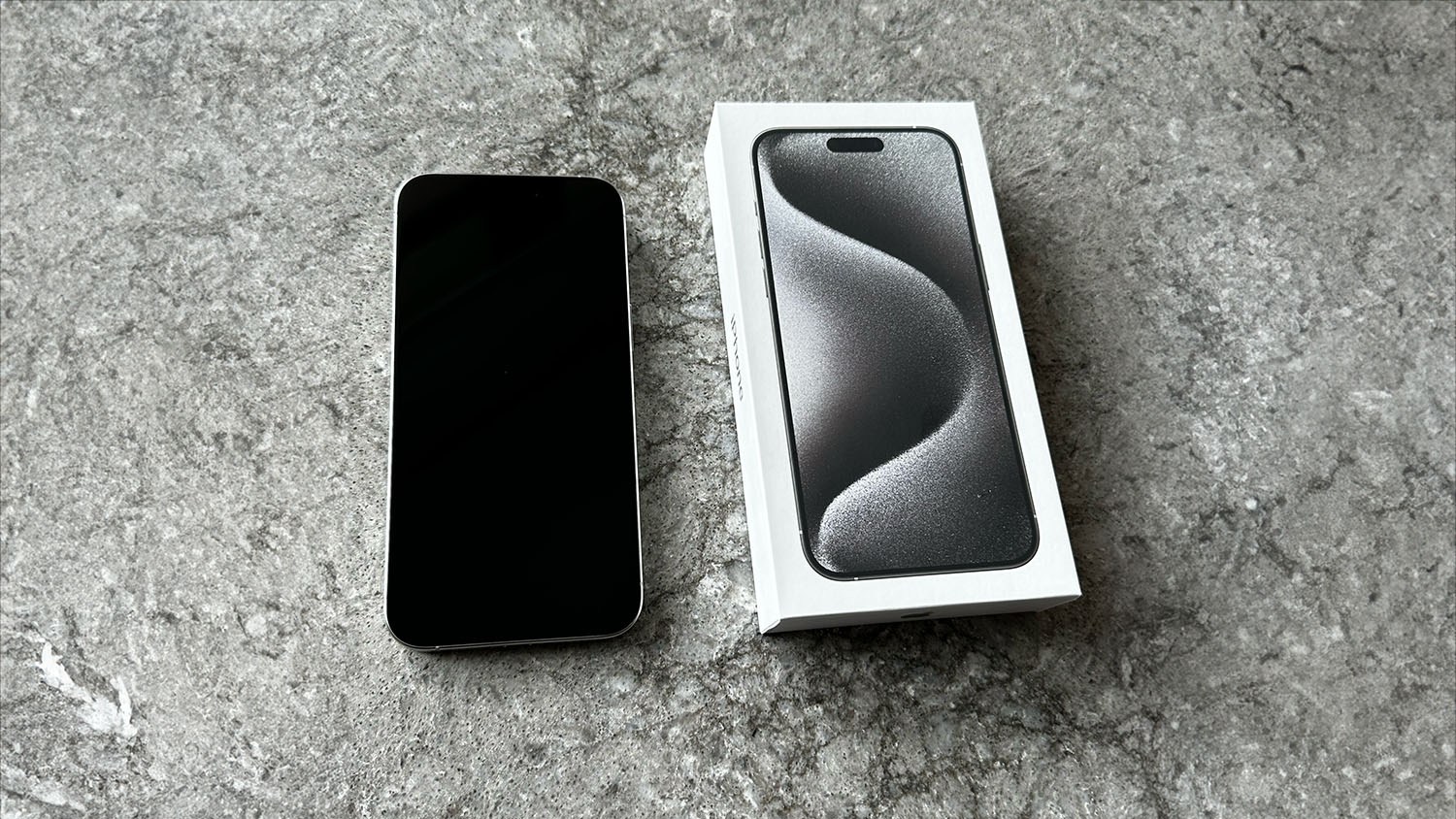
Best iPhones for Every Need
Apple iPhone 16 Pro
We found the iPhone 16 Pro to be ideal for power users, offering a robust set of features and a premium feel.
- Lightweight titanium frame enhances durability.
- Exceptional camera performance with 48MP sensor.
- Higher price point may be too steep for casual users.
Apple iPhone 15
This model suits anyone looking for great value without compromising on features, making it a top pick for many.
- Offers Pro features at a competitive price.
- Dynamic Island enhances user experience significantly.
- Absence of telephoto lens limits zoom capabilities.
black-verizon/6418070.p?skuId=6418070&publisher_slug=FranksWaffle&article_name=Best%20iPhones&article_url=https://FranksWaffle.com/phone/iphone/best-iphones&exclusive=1&u1=bdcea6911e82bfdbb242ee3855edcf9b621e8ad1-MDkyMDI1-190123″ class=”buy-now-button”>Buy Now
Apple iPhone 16 Plus
We think this model best suits those who enjoy a larger screen without the Pro price tag.
- Large display ideal for media consumption.
- Long battery life makes it perfect for on-the-go use.
- May feel bulky for users accustomed to smaller devices.
Apple iPhone 16 Pro Max
This phone is perfect for content creators, offering the best camera specs in the lineup.
- Exceptional camera quality with 5x optical zoom.
- Impressive battery life lasting up to 30 hours.
- Size may be unwieldy for some users.
Apple iPhone 14
We believe this model is best for users who still want the Lightning connector but need solid performance.
- Reliable performance with the A15 chip.
- Compatible with existing Lightning accessories.
- Lacks some advanced features found in newer models.
best iPhones
Upgrading to a new iPhone can be exhilarating, but the multitude of models available can be overwhelming. With various screen sizes, processors, battery lives, and storage options, selecting the right one may seem daunting. We’re here to simplify your decision-making process.
Apple no longer launches just one new iPhone each year. Instead, they typically unveil four models per generation, including a Pro line designed for power users, boasting premium features and materials alongside standard models that are more affordable. Occasionally, a compact “mini” version is also introduced.
Our team, comprising Apple enthusiasts and Android aficionados, has explored numerous iPhones over the years, including the latest iterations from the 15 lineup. This extensive experience led us to designate the iPhone 15 Pro as our top choice, while the iPhone 15 stands out as the most cost-effective option.
Our top picks
iPhone 15 Pro
Best iPhone overall
Specifications: Display Size: 6.1” all-screen OLED | Processor: A17 Pro | Storage Options: 128, 256, 512GB, 1TB | Camera: 48 megapixels | Battery Life: 23 hours
The iPhone 15 Pro is the pinnacle of iPhone performance, featuring a titanium frame, an always-on display, and a remarkable camera setup. With its new USB-C port, data transfer speeds reach up to 3.0GB/s and can connect directly to DisplayPort monitors.
Its lightweight titanium design not only enhances durability but also reduces weight compared to previous stainless steel models. The rear camera system boasts a 48MP main sensor and a 12MP telephoto lens, achieving 3x optical zoom in a compact design. The OLED screen presents vibrant colours and can reach up to 2,000 nits brightness for optimal outdoor visibility.
Additionally, the innovative Action Button can be customised for quick access to the camera, flashlight, or voice recorder, while the A17 Pro processor ensures snappy performance, even under demanding tasks. All features come in a refined form factor available in four stylish metallic shades.
iPhone 15
Best iPhone for value
Specifications: Display Size: 6.1” all-screen OLED | Processor: A16 Bionic | Storage Options: 128, 256, 512GB | Camera: 48 megapixels | Battery Life: 30 hours
While not the cheapest iPhone, the iPhone 15 offers fantastic value, catering to most users’ needs without the Pro price. In our tests, it stood out for integrating Pro features at a more inviting price.
Notably, it includes the Dynamic Island feature, enhancing user interaction by displaying notifications and controls seamlessly. We found this feature surprisingly useful. The iPhone 15 also boasts satellite assistance and a frosted glass back that resists fingerprints.
Although it lacks a telephoto lens, its 2x optical zoom utilises the 48MP rear camera effectively. The device offers vivid colours, fine detail in images, and employs advanced depth-of-field effects. With a universal USB-C port, a brighter display, and a battery life of 30 hours, the iPhone 15 is a strong contender.
iPhone 15 Pro Max
Best iPhone for creators
Specifications: Display Size: 6.7” all-screen OLED | Processor: A17 Pro | Storage Options: 256, 512GB, 1TB | Camera: 48 megapixels | Battery Life: 30 hours
The iPhone 15 Pro Max surpasses its smaller counterpart with advanced features tailored for photography and videography. We found it surprisingly light for its dimensions, thanks to the titanium frame and rounded edges.
This model boasts the best camera specs in the iPhone lineup, including a 5x optical zoom, perfect for videographers. Battery performance was noteworthy, lasting around 30 hours during our tests. The always-on, high-resolution display provides ample space for creative work.
Similar to its sibling, the Pro Max features a USB-C connector with fast data transfer capabilities and supports direct connections to external storage and monitors, making it a versatile option.
iPhone 15 Plus
Best large iPhone for the price
Specifications: Display Size: 6.7” all-screen OLED | Processor: A16 Bionic | Storage Options: 128, 256, 512GB | Camera: 48 megapixels | Battery Life: 26 hours
If a larger display appeals to you but Pro features are not necessary, the iPhone 15 Plus strikes a fine balance. It enhances the features found in the iPhone 15 with a bigger screen and remains budget-friendly compared to Pro models.
Like the iPhone 15, the Plus variant has a textured glass back for grip and a design that feels comfortable to hold. It houses a larger battery, supporting at least 26 hours of video playback. Despite its size, it maintains a slim profile at 7.8mm thick.
The USB-C port allows for convenient charging and data transfer, and the inclusion of the Dynamic Island feature makes it an attractive option for media lovers.
iPhone SE
Best budget iPhone
Specifications: Display Size: 4.7-inch LCD | Processor: A15 | Storage Options: 64, 128, 256GB | Camera: 12 megapixels | Battery Life: 15 hours
The iPhone SE combines classic design with modern technology at an affordable price. It is based on the iPhone 8 but comes equipped with the A15 processor and supports 5G connectivity.
The SE is notable for being the last iPhone model that includes a physical SIM slot, appealing to users who prefer this option. It also supports dual eSIMs, making it flexible for travel or work.
Even though it appears dated, the SE can connect to fast 5G networks and features the older Lightning connector, allowing compatibility with a plethora of existing accessories.
iPhone 14
Best iPhone with Lightning
Specifications: Display Size: 6.1” all-screen OLED | Processor: A15 Bionic | Storage Options: 128, 256, 512GB | Camera: 12 megapixels | Battery Life: 20 hours
The iPhone 14 remains a solid smartphone option, retaining the Lightning port while offering a reliable performance. The key differences between the iPhone 14 and the 15 lie in the absence of the Dynamic Island feature.
This model is ideal for users with existing Lightning accessories, ensuring compatibility. It features a 12MP rear camera and supports portrait mode for quality images.
With a day’s worth of battery life, the iPhone 14 is a dependable choice for everyday use.
Model comparison and features
Cameras
Camera specifications are a crucial differentiator among iPhones. Pro models feature advanced camera systems with three rear lenses for versatile shooting, while non-Pro models typically have two lenses. The iPhone 15 and 15 Plus integrate a 2x zoom that rivals older iPhones’ telephoto capabilities. All iPhone 15 models sport a 48MP sensor, while the iPhone 14 has a 12MP sensor, and the SE relies on a single wide camera.
The front-facing camera in the iPhone 15 series supports portrait mode, night mode, and 4K videos, while the iPhone 14 also offers these features. However, the SE lacks 4K video and night mode capabilities.
Screen
Except for the iPhone SE, all models utilise 6.1-inch or 6.7-inch OLED screens, delivering vibrant colours and quick response times. Pro models feature adaptive refresh rates from 60 to 120 Hz, enhancing performance during demanding tasks, while non-Pro models maintain a standard 60Hz refresh rate. The SE has a 4.7-inch Retina LCD.
Since the iPhone 12, displays are protected by Ceramic Shield glass, enhancing durability against scratches and breakage, though many users still consider using a screen protector.
Storage
Storage options across iPhones typically include 128GB, 256GB, and 512GB, with Pro models extending up to 1TB. Unlike Android devices, iPhone storage cannot be expanded, making it essential to choose an adequate capacity based on your usage habits. Considering that iOS takes up around 12GB, it is wise to opt for more storage if you plan on capturing a lot of photos and videos.
5G and connectivity
All current iPhones support 5G connectivity, ensuring high-speed data access. The iPhone SE is the only model that does not support mmWave 5G, while all other models offer this advanced feature. Additionally, all iPhones support Wi-Fi 6, and the iPhone 15 Pro models include Wi-Fi 6e, enhancing wireless connectivity. Bluetooth connectivity is standard across all models, with the iPhone 15 series and iPhone 14 supporting Bluetooth 5.3.
eSIM
In North America, all iPhones except the SE use eSIM technology, allowing for easy carrier switching without needing a physical SIM card. The SE can utilise a physical nano-SIM alongside eSIM. Internationally, regulations may require physical SIM slots, thus enabling use of nano-SIM cards alongside eSIM support.
Battery life
All iPhones feature non-removable lithium-ion batteries, with most models offering at least 20 hours of usage. Our tests revealed that both the iPhone 15 and iPhone 15 Pro Max sustained around 30 hours of moderate use. Fast-charging capabilities allow charging to 50% in just 30 minutes with a suitable 20-watt adapter. However, since the iPhone 12, no models are shipped with power adapters included.
USB-C and Lightning
The iPhone 15 series has transitioned from the Lightning connector to USB-C, facilitating compatibility with many other devices and reducing cable clutter. The USB-C ports in the Pro models support data speeds of up to 3Gbps, while the iPhone 15 and 15 Plus are limited to 480Mbps.
Colour
iPhones are available in a variety of colours, typically consisting of black, white, and vibrant options like PRODUCT(RED). Pro models usually come in more subdued tones, while non-Pro models feature brighter hues. Keep in mind that the colour may be concealed if you choose a non-transparent case.
Price
The iPhone SE remains the most affordable option at around £429. The iPhone 14 and 14 Plus start at approximately £699, with the iPhone 15 models priced similarly. The flagship iPhone 15 Pro begins around £999, while the Pro Max starts at £1,099 and can reach £1,599 for 1TB of storage.
iPhone accessories
Cases
While Apple showcases iPhones without cases, we highly recommend using one for added protection and grip. Apple’s cases, available in silicone or fabric, are pricier than third-party options, which can be found for as little as £15. However, be cautious with cheaper alternatives.
Audio
Since the removal of the 3.5mm headphone jack, headphones have become essential accessories for iPhone users. iPhones support Bluetooth connections for wireless audio devices, including AirPods and noise-cancelling headphones. Wired headphones can still be used with adapters for the USB-C or Lightning ports.
Screen protectors
To prevent scratches on your iPhone display, many users opt for screen protectors, which also provide privacy by limiting screen visibility from angles.
Chargers and cables
Apple’s decision to stop including power adapters with new iPhones aims to reduce waste, though it’s essential to have a good-quality charger. Investing in a charger with at least 20 watts of power enables fast charging capabilities.
Tips
- Clean your iPhone carefully. Use a soft, lint-free cloth for cleaning. Water is the safest solvent, while diluted rubbing alcohol works too. Apple approves Clorox wipes for disinfecting.
- iPhones are water-resistant but not waterproof. Most models offer IP68 resistance, surviving submersion in water up to 6 meters for 30 minutes, but avoid intentional immersion.
- Secure your iPhone. Always use a passcode along with Face ID or Touch ID to protect your sensitive information.
How we analysed
In creating this guide, we evaluated all currently available iPhone models from Apple, considering our extensive experience with past models. We consulted professional reviews and buyer feedback, testing two models, the iPhone 15 Pro Max and iPhone 15, focusing on display quality, camera performance, processor capabilities, and battery life. We also sought insights from our tech expert for additional guidance.
FAQ
Q. What should I do first after purchasing an iPhone?
A. After activating it, consider creating an Apple ID to make full use of your iPhone’s features.
Q. Do iPhones support wireless charging?
A. Yes, all iPhones since the iPhone 8 are compatible with wireless charging, including Apple’s MagSafe standard for faster charging.
Q. Will Face ID work with glasses?
A. Yes, Face ID can recognise you with glasses, even if you weren’t wearing them during initial setup.
Q. How can I activate Do Not Disturb while driving?
A. You can enable Do Not Disturb through the Driving Focus mode in iOS 15 and later. Alternatively, use Siri to activate it.
Our expertise
Having contributed to FranksWaffle for nearly three years, I’ve been involved in updating iPhone buying guides and shopper articles. My experience with iPhones dates back to 2008, and I carefully evaluate each new generation for value and features. My current favourite is the iPhone 15, although I sometimes miss the headphone jack.