
Top 5 Fire Starters for Camping
QuickSurvive QuickLight
We found the QuickSurvive QuickLight to be an excellent choice for outdoor enthusiasts, thanks to its reliable ignition and ease of use.
- Lights quickly, even in adverse weather conditions.
- Compact and easy to pack for trips.
- Some users may find it burns too quickly for larger fires.
AOFAR Magnesium Fire Starter
This magnesium fire starter is perfect for campers who appreciate a traditional approach; we loved its durability and reliability in various environments.
- Highly effective even in wet conditions.
- Long-lasting and reusable for multiple uses.
- Requires some technique to use effectively.
Swiss Safe 5-in-1 Fire Starter with Compass
The Swiss Safe 5-in-1 is ideal for those who want versatility; we appreciated the built-in compass and its multiple functionalities.
- Multi-functional tool, great for survival situations.
- Compact design makes it easy to carry.
- May be overkill for simple camping trips.
Gerber Bear Grylls Fire Starter
This fire starter is perfect for those seeking reliability in the wild; we loved its sturdy design and ease of use.
- Built to withstand harsh conditions.
- Easy to use with a secure grip.
- It can be a bit heavy for ultralight backpackers.
Rutland Products 50B Safe Lite Fire Starter Squares
We found these fire starter squares to be incredibly convenient for quick fires; they are perfect for campers looking for simplicity.
- Light quickly and burn steadily.
- Easy to pack and store.
- May not be suitable for larger fires without additional kindling.
Best Fire Starters
Imagine a serene evening outdoors, sitting beside a warm fire. Whether you’re igniting a fire in a snug holiday cabin or sparking up a campfire during summer, the challenge remains: how do we start it effortlessly and maintain it? While some may argue that fire-starting is a skill, the true game-changer is a fire starter, a tool that simplifies the process of igniting and sustaining a fire.
A fire starter complements tinder and kindling when building a fire, making it essential for any camping trip. However, selecting the right fire starter can be more complicated than simply grabbing the first one you see. In this guide, we explore various types of fire starters and discuss their best applications.
Choosing the right fire starter often hinges on personal preference and the specific conditions in which it will be used.
Key Factors to Consider
Understanding Fire Starters
The term “fire starter” can evoke different images, depending on one’s experience level. For some, it might mean a simple lighter that produces a flame at the push of a button. For others, it may refer to a wax-coated felt material that burns steadily. It can even encompass a steel tool struck against flint to create sparks. Essentially, it refers to any of these tools.
Think of a fire starter as a combination of items that work together to ignite a fire. You need an igniter, a spark source, and fuel to maintain that initial flame while constructing a larger fire. Experienced campers often use multiple fire starters together to ignite their preferred materials. Below, we delve deeper into the types of fire starters and fuels available.
The Benefits of Using a Fire Starter
Fire starters are a quick and efficient way to get a campfire going. Instead of struggling with damp newspaper or tricky pine needles, a fire starter provides a steady flame. This allows for a more relaxed approach to feeding kindling into the fire, gradually introducing larger sticks and logs. Moreover, using a fire starter reduces the chance of the flame extinguishing during the lighting process, alleviating frustration.
Important Safety Note: Always follow fire safety guidelines when lighting a campfire or using a fireplace. Maintain a safe distance between the fire and any nearby items that could catch fire. Exercise caution when lighting and adding wood to the fire, and ensure the coals are completely cool before extinguishing. You should be able to touch them without feeling any heat.
If you’re attempting to start a fire in wet conditions, remove the bark from kindling and larger sticks; the dry wood underneath is more likely to ignite.
Distinct Features
Types of Fire Igniters
Fire igniters are responsible for generating the initial spark or flame to start a fire. The following types fall within this category:
Handheld Lighter: The simplest and most affordable fire starter, lighters are readily available. A long-handled butane lighter specifically designed for starting fires is often a better choice.
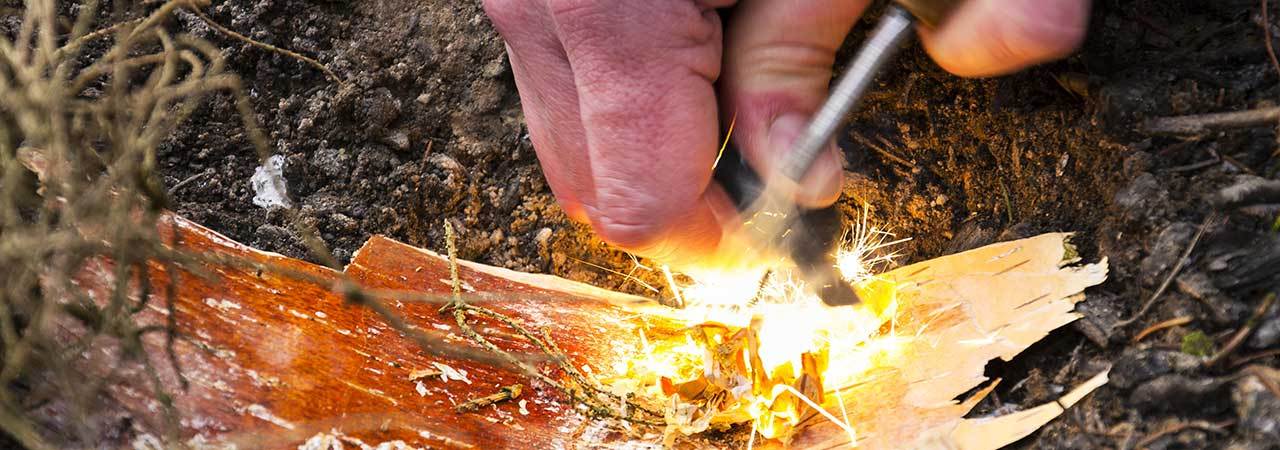
Ferrocerium Striker: The traditional flint-and-steel technique has been made easier with rods made from a fast-sparking alloy of iron and cerium. Handheld ferro strikers can provide hundreds, if not thousands, of strikes.
Matches: A crucial backup, but matches must remain dry. Camping shops offer water-resistant matches that are effective in humid conditions.
Butane Torch: While this may be excessive for most camping situations, many campers keep a small butane torch on hand for those moments when traditional methods fail.
Fuel Sources
These materials are essential for sustaining the initial flame longer than a lighter, matches, or striker can. They tend to burn more effectively than most tinders.
Fuel Tablets: These cubes, made from wax or another easy-to-light substance, burn steadily for several minutes. They are also suitable for use in emergency camping stoves to heat water.
Felt Squares: Inexpensive and ultralight, these burn for a brief period.
Magnesium Alloy: When shavings are scraped off and placed on tinder, this material ignites with a bright, hot flame. It’s a popular choice for those who prefer using a flint striker.
Fire Log: Made from compressed sawdust and soaked in a steady-burning fuel, these logs can even produce coloured flames when ignited.
Fatwood: Composed of dry wood from pine trees rich in resin, fatwood ignites quickly and burns hot, even in the rain.
Accessories for Fire Starters
Waterproof Match Case: UCO Stormproof Match Kit
This waterproof case floats and protects the 25 enclosed matches, even when submerged, and they can be relit, making it an essential addition to any emergency kit.
Tinderbox: Kaeser Wilderness Supply Fire Starting Tin
Everything needed to start a fire in severe conditions is included in this waterproof, durable, pocket-sized case that keeps all fire-starting materials dry and organised.
Magnesium Alloy Bar: HTS Magnesium Block Fire Starter
Having this survival essential means you can light a fire even in the rain.
Butane Refill: Zippo Butane Fuel
Quickly top up refillable butane lighters and torches with this convenient fuel.
Price Ranges for Fire Starters
Inexpensive: Basic but effective fire starters, including matches and butane lighters, can typically be found for £2 to £5, a great option for budget-conscious campers.
Mid-Range: Expect to pay between £6 and £12 for a solid selection of reliable strikers, lighters, fatwood, and fuel options.
Expensive: Premium fire starter kits and high-quality striker sets usually range from £13 to £22.
Newspaper burns too quickly to be an effective fire starter and often smothers the surrounding tinder as it chars.
Tips for Using Fire Starters
- Be Prepared: Test all your fire starters before embarking on a camping or hiking trip. Gather the wood, kindling, and tinder you’ll need before starting the fire (you’ll need more than you think!).
- Prioritise Safety: Avoid starting a campfire in high-risk conditions or where campground rules prohibit it. Fire logs can provide long-lasting fuel for a fireplace, but they may not be suitable for cooking over the flame due to potential toxic chemicals.
- Use a Magnesium Block Correctly: Only a few shavings from a magnesium alloy block are needed with each use. It’s very effective for starting a fire in damp conditions, but always pair it with dry tinder and kindling.
- Utilise Campfire Cups Effectively: If you forgot to bring fatwood, check with the campground office to see if you can purchase campfire cups, a blend of melted paraffin wax and wood shavings. Place these under the kindling carefully, ensuring you don’t smother the fire starter.
- Consider a Butane Torch: This can be used to ignite a hot, fast-burning campfire or to start charcoal in the grill quickly.
Frequently Asked Questions
Are fire starters suitable only for novice campers?
A. Even seasoned campers carry some form of fire starter in their gear, often more than one. Fire starters assist in getting a campfire going by providing reliable ignition or a steady flame.
Is one fire starter sufficient?
A. It’s wise to carry multiple types of fire starters. After a long day of hiking or travelling to a remote campground, no one wants their only fire starter to fail or go missing. If you plan to spend several nights in the wilderness, you’ll need a fire starter for each night’s fire, and you may find different types are better suited for varying conditions.
Can I use fire starter materials in a small stove if campfires are prohibited?
A. It’s best to check with the park before your visit to confirm what’s allowed when fires are restricted. Having a small camp stove in your camping kit is advisable for such circumstances.
How can I set up my fire starter in wet or windy conditions?
A. If possible, create a fire lay, a type of lean-to made from kindling sticks placed over the intended fire spot. In particularly rainy weather, you can cover the top with a piece of aluminium foil to prevent water from entering. Once you’ve protected the lighting area, prepare your fire starter along with dry tinder, and gradually feed in twigs and other dry materials to build the fire. Be extremely careful not to extinguish the flame.