
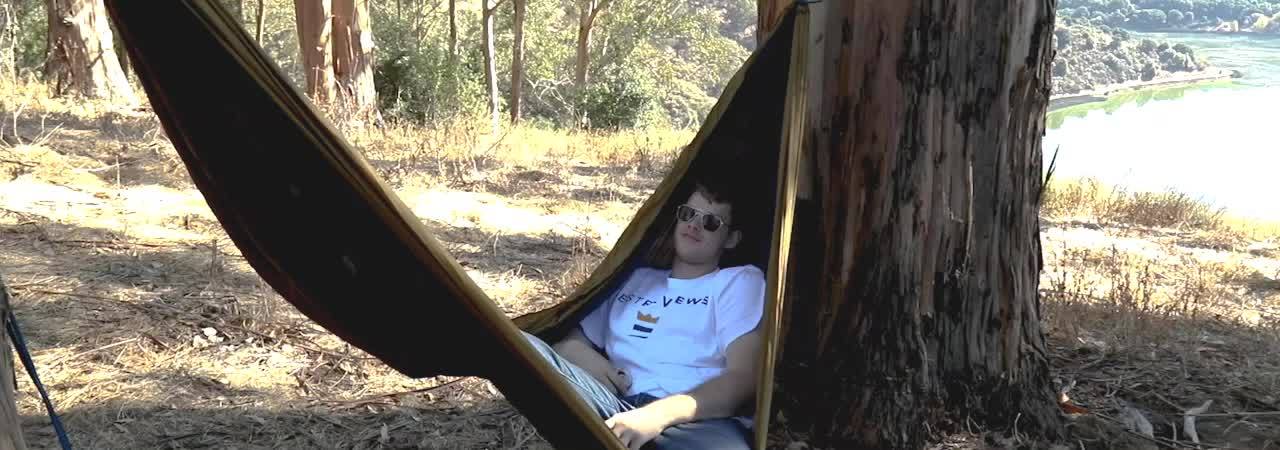
Top 5 Camping Hammocks for Outdoor Adventures
Lawson Hammock Blue Ridge Camping Hammock and Tent
This versatile product is perfect for campers who want a combination of hammock and tent functionality, making it ideal for various outdoor settings.
- Excellent for multi-functional use, suitable for both hammock and tent camping.
- Lightweight and easy to transport, perfect for hiking trips.
- Setting up can be a bit tricky for beginners.
Wise Owl Outfitters Camping Hammock
We found the Wise Owl Outfitters hammock to be incredibly comfortable, making it a great choice for relaxed camping trips.
- Soft and durable material that enhances comfort during sleep.
- Compact and lightweight, making it easy to carry.
- It may not provide enough room for taller individuals.
Oak Creek Outdoor Supply Lost Valley Camping Hammock
This hammock is ideal for those who enjoy spacious sleeping arrangements in the wild, providing ample room to stretch out.
- Generous size allows for comfortable diagonal sleeping.
- Sturdy construction ensures durability during outdoor use.
- It can be bulkier than other options, which may be a downside for backpackers.
Eagles Nest Outfitters SingleNest Hammock
We think the SingleNest is a fantastic choice for solo campers, known for its lightweight build and ease of use.
- Highly portable and easy to set up, perfect for minimalist camping.
- Strong fabric provides a reliable sleeping surface.
- Limited space may not suit those who prefer more room.
Easthills Outdoors Jungle Explorer Double Camping Hammock
This double camping hammock is perfect for couples or friends looking to share their outdoor experience comfortably.
- Spacious enough for two people, allowing for a cosy camping experience.
- Includes built-in bug protection for added comfort.
- Heavier than single hammocks, which may be a consideration for backpackers.
Guide to Choosing the Best Camping Hammocks
Have you ever considered swapping your tent for a hammock while camping? Many adventurers prefer hammocks for their unique blend of comfort and portability. Unlike traditional backyard hammocks, camping hammocks are crafted from durable nylon, making them lightweight and easy to carry on hikes.
These hammocks typically lack spreader bars, which reduces the risk of flipping over and allows for compact packing. Before you decide to ditch your tent for a hammock, let’s explore some factors to consider.
Why Choose a Camping Hammock?
Bringing a camping hammock on your next trip can enhance your outdoor experience for various reasons.
Unmatched Comfort
In cooler weather, a hammock can feel more comfortable than a tent as you avoid lying on cold ground. During warmer months, the hammock promotes airflow, keeping you cool as you sleep.
Increased Versatility
Camping on uneven or rocky terrain? A hammock elevates you above the ground, giving you more options for your campsite.
Cost-Effective Solution
Camping hammocks generally cost less than traditional tents, making them an excellent choice for budget-conscious campers.
Simple Setup
Once you get the hang of it, setting up a camping hammock is usually quicker than pitching a tent, and they are lighter to carry on hikes.
Types of Camping Hammocks
Gathered-End Hammocks
These hammocks feature a gathered design at each end, creating a spacious and comfortable sleeping area. Many users find them perfect for diagonal sleeping, enhancing comfort.
Bridge Hammocks
Bridge hammocks often include spreader bars, providing a flatter sleeping surface. They can come with built-in mosquito netting but tend to be heavier due to their construction.
Key Questions to Consider Before Purchasing
1. What are the dimensions of the hammock?
The size of your hammock is crucial for comfort. For solo users, a width of 72 inches is typically adequate, while couples may prefer 84 inches. Length should ideally be four feet longer than your height.
2. What is the weight capacity?
Check the weight limit to ensure it can support you and any gear. Hammocks usually have limits ranging from 150 to 500 pounds.
3. How much does the hammock weigh?
If you’re hiking, consider the hammock’s weight. They can range from seven ounces to three pounds. While lighter is often better, ensure the hammock is adequately sized and comfortable.
4. Is it insulated?
Most hammocks are made from lightweight materials. For colder camping, you may need extra insulation like a sleeping bag or pad.
5. Does it come with a suspension system?
A suspension system is necessary for hanging your hammock. Some include these, while others require separate purchases.
6. What kind of bug protection is available?
Bugs can be a nuisance when camping. Look for hammocks with built-in insect screens or those treated with bug repellent.
7. What weather protection does it offer?
Consider hammocks that include weather protection, such as tarps or built-in covers, to safeguard against rain.
Price Ranges of Camping Hammocks
The cost of camping hammocks varies based on size, capacity, and included features.
-
A basic one-person hammock typically costs between £15 and £30.
-
A two-person hammock generally ranges from £30 to £70.
-
For single hammocks with bug protection, expect to pay between £30 and £50.
-
Two-person options with added features can range from £70 to £200.
Helpful Tips
-
Hang your hammock no more than three feet off the ground for safety.
-
Avoid hanging it too tightly; allow for a slight sag for comfort.
-
Sleep diagonally for increased comfort.
-
Ensure the foot end is higher than the head end to prevent sliding down.
-
Use a sleeping pad for insulation, especially in cooler weather.
Frequently Asked Questions
Q. Are camping hammocks safe?
A. Yes, if properly secured and not hung too high off the ground, camping hammocks are safe. Adhere to the manufacturer’s instructions for installation.
Q. Can you use a camping hammock in cold weather?
A. While hammocks are best for warmer weather, pairing them with a sleeping pad can enhance warmth for colder nights.
Q. Is a camping hammock suitable for those prone to motion sickness?
A. While some movement is expected, many find it soothing. For severe motion sickness, consider options with side tie-outs to reduce swaying.