
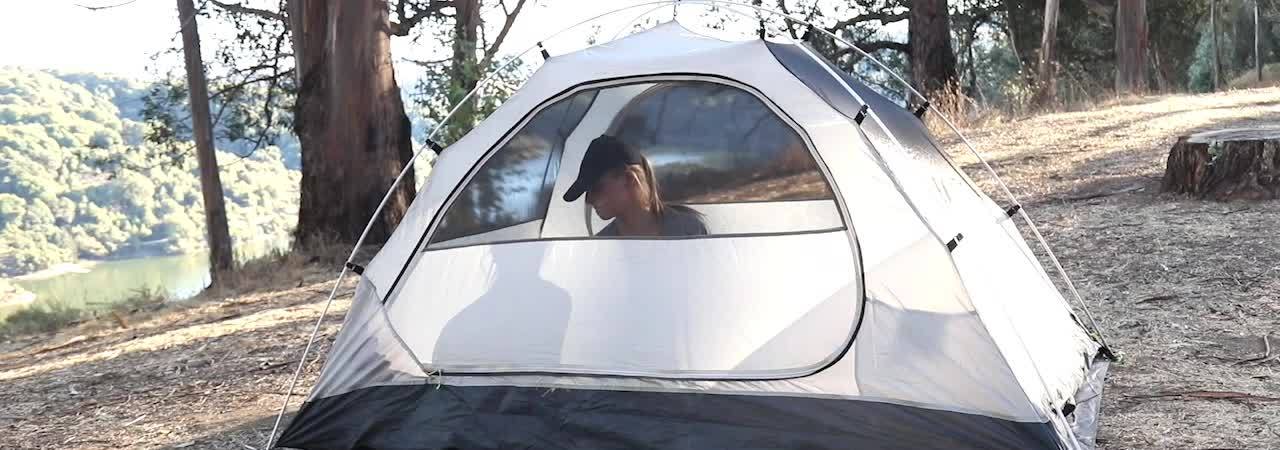
Top 5 Tents for Every Camper
CORE Equipment 9-Person Extended Dome Tent
This spacious tent is perfect for larger groups or families, offering plenty of room for everyone. We appreciated its sturdy construction and thoughtful design.
- Generous space for up to nine people, making it great for family trips.
- Durable materials ensure it can withstand various weather conditions.
- It can be cumbersome to set up, especially for smaller groups.
Coleman Sundome 3-Person Tent
Ideal for casual campers, this tent provides a decent amount of space for three people. We found it easy to pitch and quite user-friendly for beginners.
- Straightforward setup process, making it perfect for novice campers.
- Good weather resistance, allowing for comfortable camping in light rain.
- Space can feel a bit tight for three adults with luggage.
Clostnature Lightweight Backpacking Tent
This tent is a great choice for hikers who need a lightweight option. We tested this and loved its packability, however, it may not be the best for families.
- Extremely lightweight and compact for easy transportation.
- Quick and easy to set up in just a few minutes.
- Limited space may not suit larger groups or families.
Abco Tech Pop-Up Tent
Perfect for festivals or casual outings, this pop-up tent offers quick setup. We appreciated its convenience, however, it lacks durability for extended use.
- Instant setup allows you to get camp ready in seconds.
- Lightweight and portable, making it easy to carry around.
- Not suitable for harsh weather conditions due to lower durability.
Mountainsmith Morrison 2-Person Tent
A solid choice for couples or solo travellers, this tent is designed to withstand various weather conditions. We found it quite robust, although it might be too compact for some.
- Strong weather resistance with solid materials for durability.
- Compact design that’s easy to carry during hikes.
- Space may be cramped for taller campers or those with lots of gear.
When it comes to camping, having a reliable tent is essential. It provides shelter from the elements and a comfortable space to rest. With countless options available, choosing the right tent can be overwhelming. We’re here to help you navigate through the key features and considerations to find the perfect tent for your adventures.
Understanding Your Camping Needs
Before diving into product specifics, consider your camping style and requirements. Are you an occasional camper, or do you embark on regular hiking trips? The answers to these questions will guide your choice.
Here are some common tent types to consider:
Weekend Tents
Perfect for short trips, these tents typically have one sleeping area and limited features. They’re easy to set up and ideal for summer outings, but may not hold up well in bad weather.
Mountain Tents
Designed for more serious outdoor enthusiasts, mountain tents offer durability and protection against harsh conditions. Their lightweight design and sturdy poles make them suitable for hiking and mountaineering.
Pop-Up Tents
These tents are convenient for short stays, as they require minimal setup. While they’re ideal for festivals or casual camping, they often lack durability and weather resistance.
Backpacking Tents
Lightweight and compact, these tents are perfect for hikers. They’re designed to pack down small, but their minimalistic style may compromise space and comfort.
Family Tents
Offering ample space for families, these tents often feature multiple sleeping compartments and a living area. They vary in size and durability, making it essential to choose one suited to your family’s needs.
Choosing Between Single-Wall and Double-Wall Tents
Understanding the difference between single-wall and double-wall tents can impact your camping experience:
Single-Wall Tents
- Lightweight and compact, making them easy to carry.
- More internal space since there’s no inner layer.
- Generally cheaper to purchase.
Double-Wall Tents
- Better insulation, providing warmth in cold conditions.
- Reduced condensation issues compared to single-wall tents.
- Greater protection if the outer layer is damaged.
Key Features to Consider
Material
Modern tents are typically made from lightweight, waterproof materials like polyester, which are easier to manage than traditional canvas.
Waterproof Ratings
Tents are rated for waterproofing measured in millimetres (mm). For example, a tent with a 2000 mm rating can withstand 2,000 mm of water. It’s essential to check these ratings before purchasing.
Ease of Pitching
Choose a tent that suits your comfort level when it comes to setup. Many newer models are designed for quick assembly, which can be a lifesaver after a long day of hiking.
Durability
If you plan to camp frequently or in challenging conditions, select a tent known for its robustness. Look for reinforced seams and strong materials to ensure longevity.
Size
Consider how many people will be using the tent. Remember that the stated capacity often does not account for gear, so choose a larger tent if needed.
Price
Tent prices can range significantly. For occasional use, budget models may suffice, but for regular camping or harsher conditions, invest in a more durable option.
Final Tips for Tent Purchasing
- Always opt for a tent that accommodates more people than intended for comfort.
- Consider the seasons you plan to camp in and choose accordingly.
- Check for waterproof seams to avoid leaks during rain.
Frequently Asked Questions
Q: How do I clean my tent?
A: Use a hose for loose dirt and mild soap for deeper cleaning. Avoid using harsh chemicals.
Q: Can I wash my tent in the washing machine?
A: It’s not advisable, as it can damage waterproofing and the fabric.
Q: What should I do if my tent gets a tear?
A: Use patches or duct tape for small tears, but avoid permanent tape as it can damage material over time.
Q: Is it safe to cook inside my tent?
A: No, cooking inside poses fire and carbon monoxide risks. Always prepare food away from your tent.