
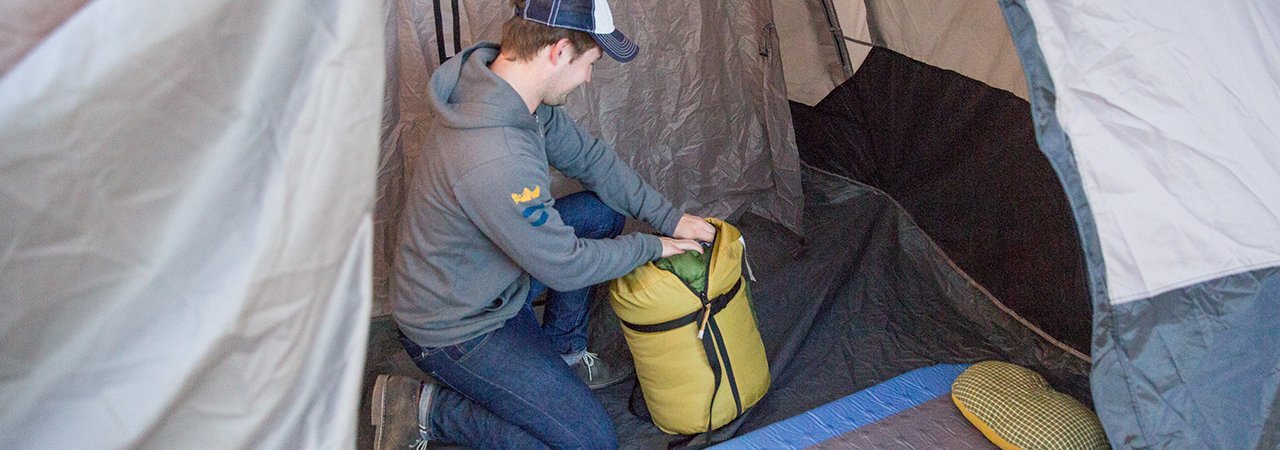
Top 5 Below-Zero Sleeping Bags for Winter Camping
Hyke & Byke Eolus 0 F Hiking & Backpacking Sleeping Bag
We found the Hyke & Byke Eolus to be an excellent choice for hikers seeking a lightweight yet warm option for cold conditions.
- Exceptional warmth-to-weight ratio, making it easy to carry.
- Well-designed for backpackers with its compact size.
- While the insulation is great, the fabric can be slightly less durable.
Coleman North Rim Mummy Sleeping Bag
The Coleman North Rim is perfect for campers looking for a reliable sleeping bag at a budget-friendly price, especially for shorter trips.
- Well-insulated and designed to keep you warm in cold temperatures.
- Affordably priced, making it accessible for casual campers.
- It can feel a bit constricting for those who prefer more room to move.
TETON Sports Celsius XL Sleeping Bag
We found the TETON Sports Celsius XL Sleeping Bag ideal for larger individuals or those who enjoy extra space while sleeping.
- Generously sized, providing ample room for comfort.
- Good thermal insulation that keeps you warm in freezing conditions.
- Its bulkiness may not be suitable for backpacking trips.
Hyke & Byke Katahdin 0 Degree F 625 Fill Power Hydrophobic Sleeping Bag
This model from Hyke & Byke impressed us with its hydrophobic down insulation, making it a great option for unpredictable weather.
- Hydrophobic insulation retains warmth even when wet.
- Compact and lightweight, making it perfect for hiking.
- It comes with a higher price tag compared to basic models.
Browning Camping McKinley -30 Degree Sleeping Bag
The Browning Camping McKinley is well-suited for extreme cold weather camping, offering excellent thermal performance for serious adventurers.
- Superior insulation rated for -30°F, perfect for harsh conditions.
- Roomy design allows for comfortable movement.
- It is quite heavy, making it less ideal for backpacking.
Best below-zero sleeping bags
Venturing into the great outdoors during winter requires careful preparation, especially when it comes to selecting the right sleeping bag. Below-zero sleeping bags, designed for temperatures of 0°F (-18°C) and lower, are essential for ensuring a good night’s sleep in freezing conditions. With the right choice, you can comfortably face the cold.
When choosing a sleeping bag, the most critical aspect to consider is the temperature rating. This rating indicates the lowest temperature at which the sleeping bag is effective. Additional factors such as insulation type, outer material, and shape also play a significant role in performance.
Key considerations
Temperature rating
The temperature rating of a sleeping bag indicates its suitability for different conditions. Below-zero sleeping bags must be rated for at least 0°F, but some can handle temperatures as low as -30°F. Although many users won’t encounter such extreme lows, a bag rated for these temperatures provides extra insulation for moderately cold conditions.
Most bags will feature both a limit rating, indicating the lowest temperature for safe use, and a comfort rating, which is the minimum temperature at which you’ll feel warm.
Outer shell
Durability and lightness are crucial for the outer shell of below-zero sleeping bags. Nylon is a popular choice, particularly ripstop nylon, which prevents small tears from spreading. A water-resistant shell is beneficial in wet conditions, but complete waterproofing is not advisable as it reduces breathability, leading to discomfort from perspiration.
Insulation
The insulation material is vital for warmth. Traditional options include down, which is lightweight and warm, but presents ethical concerns and retains moisture. Synthetic insulation, made from polyester or similar materials, provides a hypoallergenic and often more affordable alternative that performs well even in damp conditions.
Shape
There are two primary shapes of sleeping bags: rectangular and mummy. Rectangular bags offer more space to move but are less effective at retaining heat, while mummy bags fit snugly and feature hoods for extra warmth, making them the preferred choice for extreme conditions.
Features
Zipper baffle
A zipper baffle prevents cold air from entering through gaps in the zipper, maintaining warmth. This extra insulation lines the back of the zipper and does not impede its operation.
Stitching
The stitching pattern in sleeping bags, often horizontal, serves to keep insulation evenly distributed. This prevents cold spots and maintains warmth throughout the bag.
Weight
While below-zero sleeping bags can be heavy, newer materials have led to lighter options. Generally, a bag weighing between 6 to 8 pounds strikes a good balance between portability and warmth, although some lightweight models may compromise insulation.
Many bags also feature pockets for easy access to essential items like phones and flashlights.
Below-zero sleeping bag prices
Inexpensive: The least expensive below-zero sleeping bags typically range from £40 to £80, usually rated for around 0°F.
Mid-range: A budget of £80 to £120 opens up excellent options for bags suitable for temperatures as low as -30°F.
Expensive: High-end models can cost between £120 and £200, featuring superior materials and insulation, making them lightweight and comfortable.
Tips
- Understand the ratings: Differentiate between comfort and limit ratings. The comfort rating indicates the lowest temperature at which you’ll feel comfortable, while the limit rating shows the lowest temperature for safe usage.
- Consider size: Ensure the sleeping bag is available in different lengths and widths to accommodate various body sizes comfortably.
- Add insulation beneath you: Using a sleeping pad significantly enhances insulation and warmth, keeping the cold from the ground at bay.
FAQ
Q. Is camping in below-zero temperatures safe?
A. While not comfortable, camping in temperatures below 0°F is safe with appropriate gear, including a suitable four-season tent and proper clothing. It is recommended for experienced campers, but below-zero sleeping bags can also be a lifeline for those in need.
Q. How do I select the right temperature rating?
A. Since temperatures can vary significantly, choose a sleeping bag with a rating suitable for the lowest expected temperature during your camping trip to avoid being caught off guard.
Q. What is a footbox?
A. In a mummy sleeping bag, the footbox is designed to accommodate your feet while maintaining a snug fit around the legs, ensuring comfort without losing heat.