
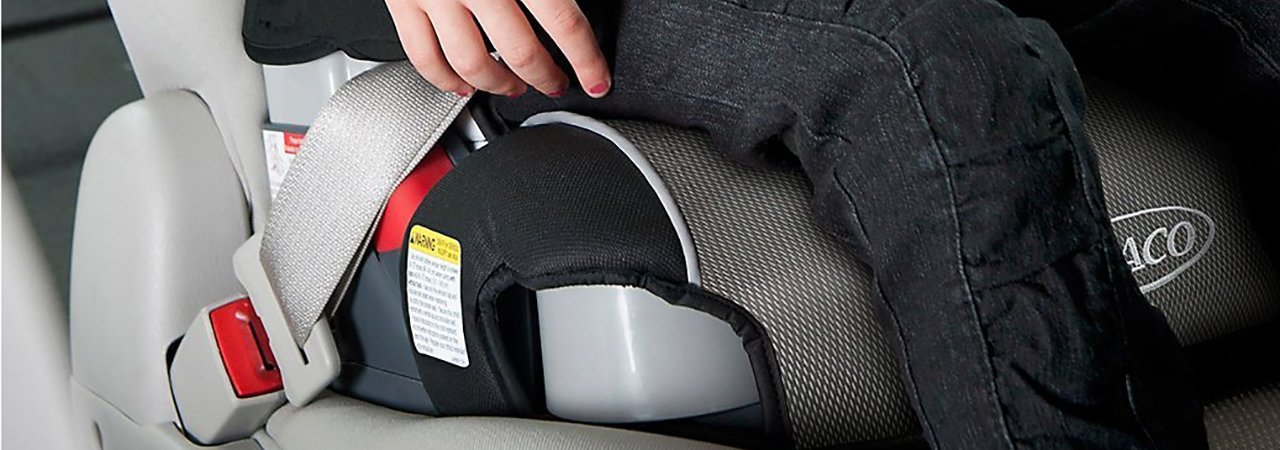
Top 5 Booster Car Seats for Safety
Diono Radian 3QXT
We found the Diono Radian 3QXT perfect for families needing versatility, as it can be used from infancy through to a booster seat. Its robust design offers excellent safety features.
- Excellent safety ratings and longevity with up to 10 years of use.
- Folds flat for easy storage and travel.
- We thought it felt a bit heavy, making it less portable than some alternatives.
Graco TurboBooster, Backless
This model is a favourite for older kids who prefer a simpler design. We appreciated its lightweight build, ideal for parents needing to switch cars regularly.
- Affordable price point without compromising safety.
- Compact design makes it easy to transport.
- We noticed that it lacks side support, which might be a concern during sharp turns.
Graco Tranzitions 3-in-1 Harness Booster Seat
This booster seat impressed us with its adaptability as it transitions from a harnessed seat to a high-back booster, and finally to a backless model.
- Great longevity with three uses in one seat.
- Easy to install with clear instructions.
- We found it slightly bulkier, which could make it challenging to fit in smaller cars.
Evenflo Chase Harnessed Booster Seat
The Evenflo Chase impressed us with its straightforward design, making it suitable for parents who want simplicity without sacrificing safety.
- Dual functionality as both a harnessed and booster seat.
- Machine-washable seat cover for easy cleaning.
- We thought it could be more padded for comfort on longer journeys.
Chicco KidFit 2-in-1 Belt Positioning Booster Car Seat
This booster seat stood out for us with its innovative design and comfort features, making it ideal for kids who might resist using a booster.
- Integrated backrest for added support.
- Easy-to-clean fabric and multiple colour options.
- We found it a bit wider than some models, which could be restrictive in smaller cars.
Best booster car seats
When your child has outgrown their forward-facing car seat, it’s time to consider a booster seat. These seats are essential for ensuring that your little one is positioned correctly to use the car’s seat belt safely and effectively.
Choosing the right booster seat is crucial for your child’s safety, as regulations vary regarding age and height requirements.
Identifying the Need for a Booster Seat
Child car safety has significantly improved over the years. It’s now widely recognised that children should be secured in booster seats until they reach a height of approximately 4’9”, which allows the seat belt to fit properly across their body.
Using a booster seat is not just a recommendation but a legal requirement in many areas. Children up to the age of eight are often required to use one, depending on local laws.
Types of Booster Seats
Booster seats generally fall into two categories: backless boosters and high-back boosters. Each serves a specific purpose depending on the child’s age and size.
Backless Booster Seats
These seats elevate your child but do not provide any back support. They are best suited for older children who can comfortably use the car’s seat back for support and are typically more budget-friendly.
High-Back Booster Seats
These models offer additional support and often come with a harness system. They can be a great option for younger children or those needing more security while travelling.
Key Features to Consider When Buying a Booster Seat
Machine-Washable Covers
Children can be messy, so a booster seat with removable, machine-washable covers can save parents a lot of hassle.
Safety Ratings
Look for seats that have been tested for safety and have good ratings from recognised organisations. Ideally, target those marked as “Best Bet” for optimal safety.
Size and Portability
If you plan to move the booster seat between vehicles, consider its weight and dimensions. Smaller models can be more convenient for families with multiple cars.
Belt-Positioning Clips
Correct seat belt positioning is critical for safety. Look for boosters with built-in clips to ensure the seat belt sits properly across your child’s shoulder.
Recalls
Before finalising your purchase, check for any recall history associated with the brand. Understanding the reasons behind recalls can provide insight into the product’s safety record.
Using a Booster Seat Effectively
- Ensure the lap belt fits snugly over your child’s thighs.
- Look for booster seats with cup holders for added convenience.
- Some high-back models can utilise the LATCH system for added security.
- Check the expiration date if considering a secondhand seat.
Cost of Booster Seats
Boosters come in various price ranges, accommodating different budgets.
Inexpensive
Backless booster seats typically range from £20 to £40.
Mid-Range
Basic high-back boosters are generally priced between £50 and £80.
Expensive
High-back boosters equipped with harnesses can range from £150 to £300, depending on features and brand reputation.
Frequently Asked Questions
Q. When should my child transition to a booster seat?
A. It’s best for children to remain in a forward-facing car seat with a harness until they exceed height or weight limits, or become uncomfortable.
Q. When can my child stop using a booster seat?
A. While laws vary, many experts suggest children should remain in boosters until they reach at least 4’9”.
Q. Where is the safest place to position a booster seat?
A. The ideal location for a booster seat is in the back of the car, preferably in the centre position if it has a three-point seat belt.