
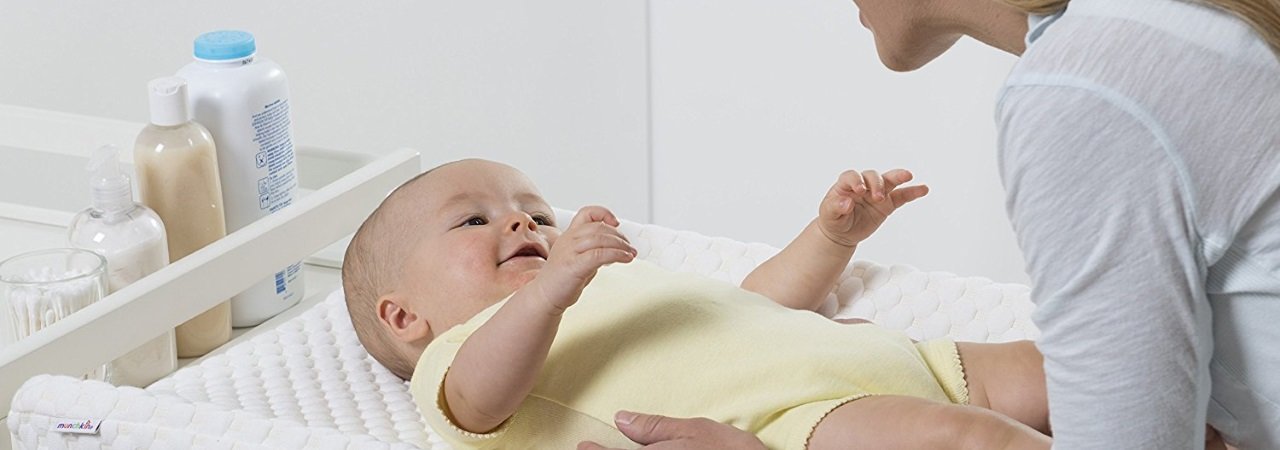
Top 5 Baby Changing Pads for New Parents
Skip Hop Baby Changing Pad
We found the Skip Hop Baby Changing Pad ideal for parents seeking a stylish and functional option for their nursery.
- Soft and comfortable surface for baby.
- Attractive design that fits well in any nursery.
- It can be a bit bulky for smaller spaces.
Delta Children Serta Perfect Sleeper 2-in-1 Deluxe Pillow Top Changing Pad
This changing pad is great for parents who value both comfort and safety during diaper changes.
- Dual-use design with a removable cover for easy cleaning.
- Soft pillow top that provides extra comfort for your baby.
- Some may find it a bit pricey compared to simpler models.
Colgate Two-Sided Contour Changing Pad
We think the Colgate Contour Changing Pad is a solid choice for parents looking for a versatile and durable option.
- Two-sided design: one side for infants and one for toddlers.
- Durable materials that withstand regular use.
- It may require a cover for optimal cleanliness.
Hatch Baby Grow Smart Changing Pad and Scale
Ideal for tech-savvy parents, the Hatch Baby Grow offers a unique combination of a changing pad and a scale.
- Integrated scale for tracking baby’s weight.
- Smart features that connect to an app for convenience.
- More expensive than traditional changing pads.
Jool Baby Products Baby Changing Pad with Washable Cover
We believe this changing pad is perfect for parents looking for practicality and ease of maintenance.
- Machine washable cover for easy cleaning.
- Compact design ideal for small spaces.
- Less cushioning compared to more premium options.
Best Baby Changing Pads
As small as they are, babies can go through an astonishing number of diapers, often reaching around 2,500 changes in their first year alone. While no one particularly enjoys diaper duty, a suitable changing pad can simplify the process, providing a safe and comfortable space for the task. If you’re keen on reducing mess and stress during diaper changes, investing in a good changing pad is a must. With hundreds of options available, where should one start?
If you’re feeling overwhelmed, we’re here to help you navigate the world of baby changing pads.
Types of Baby Changing Pads
Changing pads come in various forms, each tailored for specific needs. Here’s a breakdown of the most common types:
Standard Changing Pad
A staple for any changing table, standard pads resemble mini mattresses with raised edges for safety and comfort. While traditional foam pads pair well with waterproof covers, some are crafted from solid waterproof materials that can be easily wiped down.
Travel Changing Pads
Most diaper bags include a travel changing pad, designed for convenience on the go. These flat, foldable options are easy to store in a diaper bag or handbag. While typically basic and lacking in cushioning, they provide a clean surface for diaper changes away from home.
Portable Diaper-Changing Kits
For those who prefer to travel light, portable diaper-changing kits are invaluable. These pads fold out and come equipped with pockets for essentials, often resembling stylish clutches. They offer functionality without sacrificing style.
Disposable Changing Pads
On particularly hectic days, disposable changing pads can be a lifesaver. Lightweight and compact, they fit easily into any bag and are typically sold in multipacks, offering an affordable solution for parents on the go.
Considerations When Choosing a Baby Changing Pad
Size
As babies grow rapidly, selecting a pad that accommodates this growth is vital. Ensure the dimensions are compatible with your changing table to avoid needing frequent replacements. Larger pads are beneficial for outings, protecting your baby from unsanitary surfaces.
Comfort
While standard home pads are generally soft, some offer specialised surfaces for easy cleaning and antibacterial properties. In cooler climates, consider adding a layer of fabric for extra comfort during changes.
Travel pads and kits vary in comfort; some feature memory foam for added cushioning, while others may have minimal padding.
Maintenance
Look for changing pads that are easy to clean to help manage your busy schedule. Quick-wipe surfaces or water-resistant covers can save you time and effort.
Water Resistance
Diapering is often messy, so a water-resistant pad is essential to prevent moisture from seeping in and creating a breeding ground for bacteria. Choosing a model with a waterproof exterior is a wise choice.
Contoured Sides
Many standard pads have raised edges to keep babies safe. However, always supervise your little one, as they can roll off even with contoured designs.
Safety Straps
Wriggly babies can be challenging during changes; safety straps can help keep them secure while you work.
Non-Slip Base
To prevent shifting during use, opt for changing pads with rubberised bases, which provide the necessary traction to keep the pad in place.
Baby Changing Pad Prices
Prices for changing pads can range from £10 to £110, depending on their type and features. Portable and disposable options are generally more affordable, while standard pads for long-term use will cost more.
Inexpensive
For on-the-go options, expect to pay between £10 and £15 for travel pads and disposable kits.
Mid-Range
Standard home changing pads, quality travel pads, and feature-rich kits typically fall within the £15 to £30 range.
Expensive
High-end changing pads range from £30 to £110, providing additional features and quality that can be worth the investment.
Tips
- Be prepared: Have all your essentials within reach before tackling a diaper change.
- Offer distractions: Keep special toys nearby to engage your baby during changes.
- Wipe down hands and feet: Ensure your baby’s hands and feet are clean after changes.
- Clean your pad after every use: This helps maintain a hygienic environment for your baby.
- Keep extra covers on hand: Accidents happen, so having extras is handy.
- Never leave your baby unattended: Always supervise your child on a changing table, regardless of safety features.
FAQ
Q. Can I wash a standard foam baby changing pad?
A. Always follow the manufacturer’s cleaning instructions. Generally, wiping down with soapy water and disinfectant is recommended.
Q. Is there any way to secure my changing pad to the changing table?
A. Many standard pads come with anchoring straps for secure installation on changing tables or dressers.
Q. Do I still need to use a cover with a solid-shell changing pad?
A. No, a solid-shell pad can be cleaned easily without the need for covers, reducing extra laundry.